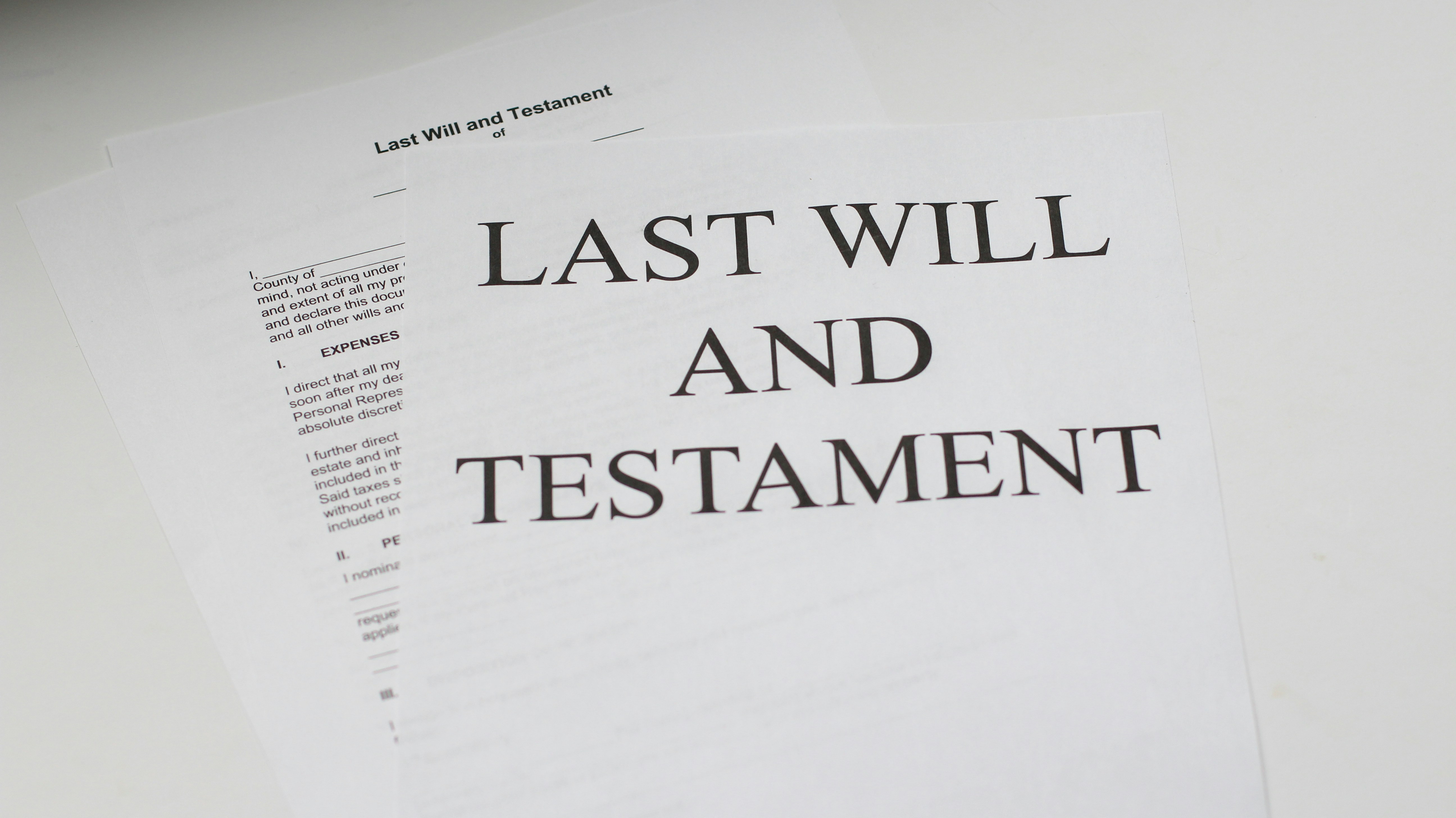
Sorry for the history lesson, but this complaint goes back a few hundred years. In 1750, Lord Chancellor Hardwicke offered one of the more memorable formulations in the history of estates law. According to Hardwicke, while the testator is still alive, a will is "ambulatory and mutable, vesting nothing, like a piece of waste paper."
The phrase has stuck around for nearly three centuries because it captures something true and important. A will has no legal force while the person who made it is still alive. It can be revoked or rewritten at any time, for any reason. It is, in the eyes of the law, a piece of waste paper — and for most of that time, courts have been unwilling to engage with challenges to waste paper.
That principle — sometimes called the waste paper rule — is the starting point for anyone who comes to a lawyer worried that an elderly parent is being manipulated into changing their estate plan, or that a new partner is isolating a vulnerable relative and orchestrating a will that family members will later want to challenge.
The waste paper rule means courts will generally not entertain an application to set aside or invalidate a will while the testator is still alive. The logic is straightforward: why would a court spend its time adjudicating the validity of a document that could be replaced tomorrow? A 2001 Alberta decision, Andruchow (Trustee of) v. Seniuk, put it plainly: "for nearly 500 years, the English common law has held that, during the life of the testator, a will is no more than a piece of waste paper." The statement of claim in that case was struck entirely, and the applicant was ordered to pay costs personally.
Ontario courts have followed the same principle. There are occasional cases where judges have shown some willingness to engage with pre-death will challenges in unusual circumstances, but these remain exceptions and cannot be relied upon. The general rule holds: you cannot challenge a will before the testator dies.
This is not a gap in the law. It is a deliberate feature. The alternative — allowing family members to use courts to supervise the estate planning choices of living adults — would be both paternalistic and easily weaponized. A capable adult has the right to make whatever will they choose, including one that excludes relatives who disapprove.
If your concern is simply "I think my parent is going to leave everything to the wrong person," the court will not help you prevent it. You cannot obtain an injunction against a new will being signed. You cannot force disclosure of will instructions through litigation. You cannot challenge a will's validity before it takes effect. Attempting any of these without grounds is not just likely to fail — it can result in cost orders against you personally.
Knowing this early matters because it shapes what you should actually be doing with your time and energy while the testator is still alive.
The practical importance of acting before a person dies lies almost entirely in evidence preservation, not legal intervention. A will challenge based on lack of capacity or undue influence is built primarily on evidence from around the time the will was signed — the testator's mental state, who was present and exercising influence, what they understood about their assets and the people they were excluding. That evidence is being created right now, and it is perishable.
Document what you observe. Keep a dated, specific written record of conversations, the person's apparent mental state, who was present when decisions were made, and what was said. Note concrete observations: confusion about people they should recognize, inability to recall recent events, statements inconsistent with their known values, apparent dependency on or fear of a particular person. Vague concerns are not useful in litigation; specific dated observations can be.
Medical records matter enormously. Capacity is assessed at the moment a will is signed. Medical records from around that time are frequently the central evidence in a capacity challenge. Note any signs of cognitive change you personally observe, and identify who the person's treating physicians are. After death, you or your lawyer can apply for access to relevant records, and the estate solicitor's file — containing the lawyer's own notes about the instructions they received and their assessment of the client at the time — may also be obtainable.
Identify witnesses now. Family members, friends, neighbours, healthcare workers, and anyone else with regular contact may have relevant observations. Note who they are and what they've seen while those observations are fresh and before those people are harder to locate.
Isolation is a pattern to document. Undue influence typically operates through isolation — controlling who has access, managing information flow, accompanying the person to legal and medical appointments, creating financial dependency. Document isolation if you observe it, including who accompanies the person to appointments and whether that is a change from prior patterns.
The waste paper rule applies to the will itself. It does not prevent all pre-death legal action, and the circumstances that concern you most — a vulnerable person being exploited — may support interventions that don't require challenging the will directly.
Challenging a power of attorney is one of the most practically significant pre-death options. If someone is acting under a power of attorney in ways that suggest abuse — making unusual transactions, gifting to themselves, isolating the grantor — you can apply to court during the person's lifetime to investigate, restrict, or revoke the attorney's authority. Powers of attorney, unlike wills, are documents that have legal effect during the grantor's lifetime, so courts are not restrained by the waste paper rule in reviewing them.
Capacity assessment and guardianship may be available if the person has genuinely lost decision-making capacity. If a formal assessment confirms incapacity, a court can appoint a guardian, which would supersede an existing power of attorney and restrict a bad actor's ability to continue orchestrating financial or estate planning decisions.
Adult protective services and reporting obligations exist where there are genuine safety concerns — not estate litigation strategy, but actual concern about a vulnerable person's welfare. These channels are separate from estate law and are appropriate in their own right.
When a lawyer prepares a will, they are professionally required to take instructions directly from the testator, satisfy themselves that the testator has capacity, be alert to signs of undue influence, and maintain independence from anyone who might benefit from the will. Their file — notes of meetings, instructions received, their observations about the client — is frequently central evidence in post-death challenges.
After death, access to the solicitor's file can be contested; courts have developed procedures for this in the estate litigation context. But the practical implication before death is this: if the will was prepared by a lawyer introduced or chosen by the person you're worried about, who attended meetings with the testator, or who has any relationship with the potential influencer — that is itself a relevant circumstance worth documenting. An independent solicitor who takes instructions privately and keeps clear contemporaneous notes is the single best protection against a future undue influence challenge.
The time between death and probate is critically important for anyone intending to challenge a will. A notice of objection can be filed with the court to prevent the Certificate of Appointment from being granted while the challenge is investigated. Once probate issues and assets begin to be distributed, the practical and legal difficulties of a challenge increase substantially.
Dependant support claims — which don't require proving the will invalid, only that it fails to provide adequate support — have a six-month deadline from the grant of probate that courts rarely extend. Acting immediately after a death is essential, not optional.
At Sheard Law, our team represents clients in post-death will challenges based on capacity and undue influence, and advises families in the pre-death context where there are genuine concerns about exploitation, capacity, or the integrity of the estate planning process. Understanding the limits of what can be done before a death — and making the most of the time available — is often the difference between a strong challenge and one that can't be made.
At Sheard Law, we understand that estate concerns don't wait for death. We help families navigate what can be done before a testator dies, and we help them build the strongest possible case for what happens after.
Contact Sheard Law today to schedule a consultation. Call 416-860-9990 or use our online intake form.
This article provides general information about pre-death estate concerns and the waste paper rule in Ontario. It is not legal advice. For advice about your specific situation, consult with a qualified lawyer.